
Introduction
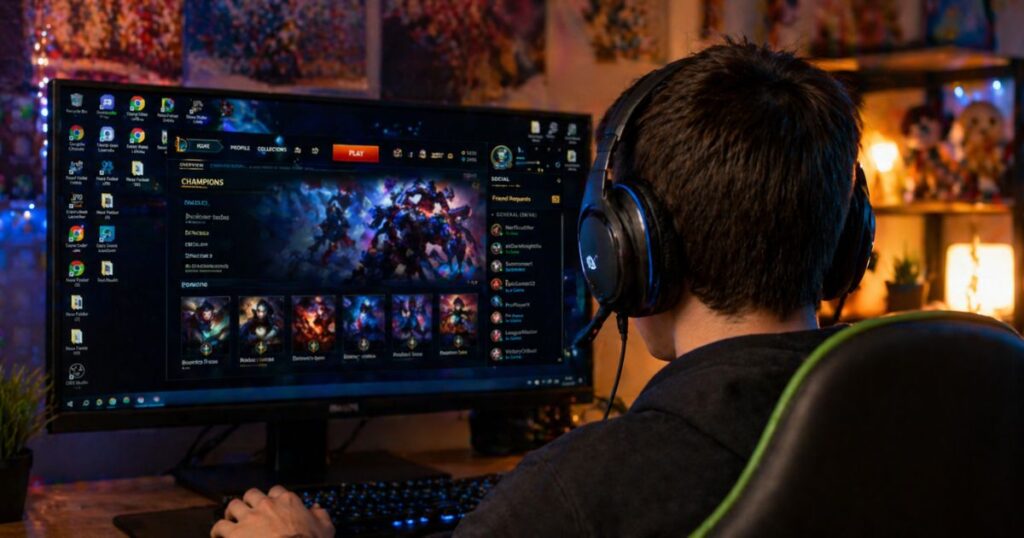
Gaming communities have become one of the most influential forces in modern online entertainment. Over the past two decades, gaming has evolved from a simple personal hobby into a social activity that connects millions of people around the world. Players no longer experience games alone because they now communicate, compete, and collaborate through online platforms and multiplayer systems.
The rise of gaming communities has changed how people interact with entertainment. Online discussions, live streams, tournaments, fan groups, and social media platforms have created digital spaces where players can share experiences and build strong relationships. These communities not only shape gaming culture but also influence trends in music, movies, technology, and internet entertainment.
As online connectivity continues to improve, gaming communities are becoming even more powerful. Their impact extends beyond gameplay and affects how entertainment is created, shared, and enjoyed across the digital world.
The Growth of Online Gaming Communities
Gaming communities started growing rapidly with the rise of internet access and multiplayer gaming. Early online games introduced players to the idea of competing and communicating with others in real time. As technology improved, these communities expanded into massive global networks.
Today, gaming communities exist across many platforms, including forums, streaming services, social media groups, and messaging applications. Players from different countries can instantly connect and discuss strategies, updates, favorite characters, and upcoming releases.
Massively multiplayer online games played a major role in building these communities. These games encouraged teamwork, social interaction, and long-term collaboration. Many players formed clans, guilds, and online friendships that lasted for years.
The widespread popularity of smartphones and affordable internet connections also contributed to the expansion of gaming communities. Mobile gaming introduced millions of new users to online interaction and digital entertainment.
The Role of Social Interaction in Gaming
One of the biggest reasons gaming communities continue to grow is the social experience they provide. Modern games often include communication features such as voice chat, text messaging, and team coordination systems. These tools allow players to interact naturally while enjoying games together.
Many gamers see online communities as places where they can relax, make friends, and share common interests. Cooperative games especially encourage teamwork and communication, helping players build trust and friendships through shared goals.
Online gaming communities also provide emotional support and belonging for many individuals. Some players feel more comfortable expressing themselves in digital spaces where they can connect with people who share similar interests and passions.
Gaming communities have become especially important during times when people spend more time indoors or away from social gatherings. Online games often help users stay connected with friends and family regardless of physical distance.
Streaming and Content Creation
Gaming communities have transformed online entertainment through streaming and content creation. Live streaming platforms allow players to broadcast gameplay to audiences around the world. Millions of viewers now watch gaming streams daily for entertainment, education, and social interaction.
Content creators have become major influencers within gaming communities. Streamers, video creators, and professional gamers build large audiences by sharing gameplay highlights, tutorials, reactions, and live discussions. These creators help shape gaming trends and introduce audiences to new games and technologies.
Streaming has also turned gaming into a spectator activity similar to sports and television entertainment. Many viewers enjoy watching skilled players compete, complete challenges, or interact with fans during live broadcasts.
Gaming content has expanded beyond gameplay videos alone. Podcasts, interviews, documentaries, and behind-the-scenes discussions now provide fans with deeper insight into gaming culture and industry developments.
Esports and Competitive Communities
Esports has become one of the most important parts of gaming communities. Competitive gaming tournaments attract millions of viewers and create strong fan communities around professional players and teams.
Online gaming communities actively support esports events by discussing matches, analyzing strategies, and cheering for their favorite teams. Social media platforms are filled with esports content, including highlights, predictions, and live reactions during tournaments.
Competitive gaming has created opportunities for players to become professionals and build careers in the industry. Esports organizations now include coaches, analysts, commentators, and event managers who contribute to the growth of gaming entertainment.
Gaming communities also help smaller competitive scenes grow by organizing local tournaments, amateur leagues, and online competitions. These events encourage participation and give new players opportunities to improve their skills.
The Influence of Gaming Communities on Game Development
Gaming communities strongly influence how developers create and improve games. Players regularly share feedback, report bugs, suggest features, and discuss gameplay experiences online. Developers often monitor community discussions to understand what players enjoy or dislike.
Many modern games receive continuous updates based on community feedback. Developers adjust balancing systems, introduce new content, and improve performance to maintain player satisfaction and engagement.
Some gaming communities even contribute directly to content creation through mods and custom designs. Modding communities create new maps, characters, missions, and gameplay mechanics that extend the life of games and inspire future ideas.
Developers increasingly recognize the importance of maintaining positive relationships with gaming communities. Transparent communication and regular interaction help build trust and long-term loyalty among players.
Gaming Communities and Internet Culture
Gaming communities have become deeply connected to internet culture. Popular games often inspire memes, trends, challenges, and viral content that spread across social media platforms.
Gaming phrases, characters, and references are now commonly used in online conversations and entertainment content. Many gaming moments become widely recognized even among people who do not actively play games.
Music artists, movie producers, and brands also collaborate with gaming communities to reach younger audiences. Virtual concerts, in-game events, and digital collaborations demonstrate how gaming has become part of mainstream entertainment culture.
Gaming communities also support creativity through fan art, storytelling, animations, and custom content. Fans regularly produce original creations inspired by their favorite games, contributing to a vibrant and active online culture.
The Educational and Creative Benefits of Gaming Communities
Gaming communities can also support learning and creativity. Many players improve communication, teamwork, problem-solving, and leadership skills while participating in multiplayer games and online discussions.
Educational gaming communities share tutorials, guides, and technical knowledge that help players learn about programming, game design, and digital media creation. Some users even develop professional careers after gaining experience within gaming communities.
Creative collaboration is another important benefit. Community members often work together on projects such as fan games, modifications, videos, and digital artwork. These experiences encourage innovation and teamwork.
Language learning can also improve through international gaming communities. Players regularly communicate with people from different countries, helping them practice foreign languages and understand different cultures.
Challenges Within Gaming Communities
Although gaming communities offer many positive experiences, they also face challenges. Toxic behavior, online harassment, and cyberbullying remain concerns in many online environments. Negative interactions can reduce enjoyment and create unhealthy experiences for players.
Developers and platform operators continue working on moderation systems that encourage respectful behavior and protect users from harmful content. Reporting systems, community guidelines, and stricter penalties are helping improve online safety.
Cheating and unfair gameplay are additional problems that affect competitive communities. Many companies invest in anti-cheat technologies to maintain fairness and protect the integrity of online games.
Another challenge involves misinformation and unhealthy gaming habits. Some communities may encourage excessive screen time or spread false rumors about games and updates. Responsible gaming practices and accurate communication remain important for maintaining healthy environments.
The Future of Gaming Communities
The future of gaming communities looks extremely promising as technology continues to evolve. Faster internet speeds, virtual reality, and artificial intelligence are expected to create even more immersive social experiences.
Virtual worlds may become increasingly interactive, allowing players to attend events, concerts, and social gatherings inside digital environments. Gaming communities could eventually function as large virtual social networks where entertainment, communication, and business activities happen together.
Cross-platform gaming will likely continue expanding, allowing players from different devices to interact more easily. This will help create larger and more connected communities across the gaming industry.
Artificial intelligence may also improve community management, personalized recommendations, and online moderation systems. These advancements could create safer and more enjoyable experiences for players worldwide.
Conclusion
Gaming communities are shaping online entertainment in powerful and lasting ways. They have transformed gaming into a social, creative, and competitive activity that connects millions of people around the world. Through streaming, esports, content creation, and online collaboration, gaming communities continue influencing digital culture and entertainment trends.
As technology advances, these communities are expected to grow even larger and more interactive. Gaming will continue evolving beyond simple entertainment and become an even more important part of communication, creativity, and online social experiences. The influence of gaming communities on the future of digital entertainment is only beginning, and their impact will likely continue for many years to come.
